Permit Types Needed
- Building Permits (Overall structure)
- Plumbing & Gas Permits (Fixtures, lines)
- Electrical Permits (Installations)
- HOA Approval (Design, restrictions)
Are you ready to transform your backyard into the ultimate outdoor kitchen paradise? Understanding the permits required for this exciting project in Queen Creek is essential to avoid costly mistakes and ensure compliance with local regulations. Dive into these key takeaways to become well-informed!
Navigating the permit process is crucial for a compliant and safe outdoor kitchen. Below is a breakdown of the typical permits and considerations. For more insights into optimizing your outdoor space, explore our backyard remodeling tips for Queen Creek.
Building an outdoor kitchen is an exciting project, but it’s crucial to understand the permits required for compliance in Queen Creek. Obtaining the necessary permits is not just a legal formality; it protects you from potential fines and safety hazards. By adhering to local regulations, you ensure your outdoor kitchen is safe, functional, and has the approval it needs from local authorities.
Many homeowners overlook the importance of permits, thinking they can avoid the hassle. However, the risks of proceeding without them can lead to costly mistakes down the road. You could face fines, have your project halted, or even be required to dismantle non-compliant structures. Let’s dive into the specifics of what permits you need!
Permit compliance is essential for a smooth construction process. Here are some reasons why:
As someone who’s dedicated to enhancing outdoor living spaces, I can’t stress enough how important it is to follow these guidelines. Not only does it protect your investment, but it also contributes to the overall aesthetic and safety of your home!
When planning your outdoor kitchen, you’ll need to navigate several types of permits. Here’s a breakdown of the most common:
Gathering the right permits ensures that your outdoor kitchen is built to last. Let’s look at each of these in detail! For inspiration on how to design a resilient outdoor space, consider patio materials ideal for Queen Creek heat.
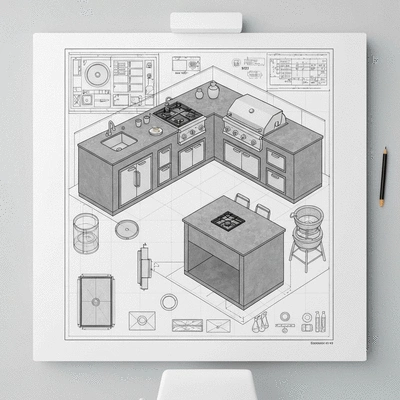
To obtain a building permit in Queen Creek, you'll need to submit detailed plans that outline your project. This includes:
Once your plans are submitted, they'll be reviewed by local officials to ensure compliance with building codes and safety standards. Working with a professional can simplify this process and guarantee that all details are addressed, making your project a breeze!
If your outdoor kitchen includes plumbing or gas features, you'll need specific permits to ensure safety. Here's what you should consider:
Hiring licensed professionals who understand these requirements can save you time and ensure everything is done right. This way, you can focus on enjoying your new outdoor space rather than worrying about compliance!
Electrical installations are another critical area that requires attention. Obtaining an electrical permit involves:
Don’t take shortcuts in this area! Proper electrical work is vital to avoid hazards, ensuring you and your loved ones can enjoy your outdoor kitchen safely and comfortably.
Homeowners Associations (HOAs) play a significant role in outdoor kitchen installations. Understanding their rules can help you avoid roadblocks during your project.
Many HOAs have specific guidelines that could influence the design and approval of your outdoor kitchen. Being aware of these regulations ahead of time can help streamline your project and ensure compliance.
HOAs often have a say in aesthetics and compliance issues. Consider the following:
Understanding your HOA’s guidelines can prevent delays and ensure a smoother approval process. I recommend reaching out to your HOA early in your planning process to clarify any restrictions that may apply!
Typical HOA requirements may include:
By anticipating these requirements, you can make your project run smoothly and maintain a positive relationship with your HOA.
Living in Queen Creek means being aware of specific local regulations that may impact your outdoor kitchen.
Zoning laws, setback requirements, and other regulations can affect where and how you build your kitchen. Let’s delve into some of these unique considerations.
Understanding local zoning laws is critical when planning your outdoor kitchen. You might need to consider:
Checking these regulations early can help you avoid potential issues later on! I always recommend consulting with local authorities or a professional before finalizing your plans. You might also find it useful to review Queen Creek outdoor kitchen trends to ensure your design aligns with local preferences and regulations.
Various structures beyond outdoor kitchens may require permits. Here’s what you should keep in mind:
Being aware of these triggers can help you plan your overall project more effectively, ensuring everything is compliant and hassle-free.
Now that you know what permits you need, let’s go through the steps required to obtain them successfully.
Preparing your application involves several key documents:
Having these documents in order will help speed up the approval process. If you’re unsure about what to include, consulting with a professional can provide clarity!
It’s important to budget for permits as there are typically fees involved. Consider the following:
Planning ahead can keep your project on track and help avoid financial surprises!
Adhering to Arizona building codes is vital for ensuring the safety and longevity of your outdoor kitchen. These codes dictate everything from materials used to construction methods, so it's essential to familiarize yourself with them before you begin.
By following these standards, you can be confident that your kitchen will withstand the unique demands of the Arizona climate, providing you with a space that’s not only beautiful but also built to last.
Finally, enlisting the help of qualified professionals can streamline your outdoor kitchen project significantly. Engaging a landscape architect or a licensed contractor familiar with local regulations can simplify the permitting process and enhance the overall quality of your build.
With their expertise, you can navigate through the complexities of permits and codes, ensuring that your outdoor kitchen not only meets your expectations but exceeds them!
Before starting your outdoor kitchen project, consider consulting with a local expert who understands the intricacies of Queen Creek's permit process. This proactive approach can save you time and potential headaches, ensuring that your project remains compliant with all local regulations and HOA guidelines.
When it comes to building your dream outdoor kitchen, skipping out on the necessary permits can lead to some serious headaches! Not only can you face hefty fines, but there’s also the risk of having to dismantle any structures that don't meet local regulations. Imagine spending your weekends cooking outdoors only to find out that your setup isn’t compliant—it's a nightmare I want you to avoid!
Additionally, building without permits can expose you to safety hazards. Whether it’s electrical work or gas lines, non-compliance can lead to dangerous situations for you and your family. Let’s make sure your outdoor space is not just beautiful but also safe!
Considering the long-term investment of your outdoor kitchen, it’s crucial to approach the permit process with diligence. This not only protects your property but also enhances your outdoor living experience.
When navigating the maze of regulations in Queen Creek, hiring professionals like those at Queen Creek Alfresco Living can ease the process immensely. We specialize in understanding local HOA regulations and the permit requirements for outdoor kitchens. Engaging our team means you won't have to tackle these complexities alone!
With our knowledge, we can help streamline your approvals and ensure that all aspects of your project comply with local laws. When you work with experienced contractors, you increase the likelihood of a smooth installation and peace of mind, knowing everything is handled correctly.
Don’t underestimate the power of having a knowledgeable team on your side. It’s one of the best decisions you can make when planning your outdoor kitchen!
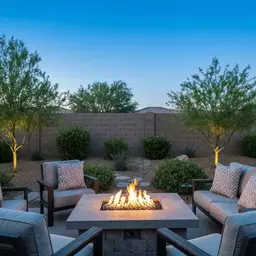
Understanding and adhering to fire safety and environmental regulations is key when planning your outdoor kitchen. These regulations help protect your home and neighborhood from potential hazards. For example, having a proper fire feature means ensuring it meets the local fire codes, which is something we prioritize at Queen Creek Alfresco Living.
Moreover, completing environmental impact assessments can be crucial, especially in areas that require special consideration for landscaping and utilities. This not only shows your commitment to safety but also enhances the sustainability of your outdoor space. Proper planning contributes to a healthy ecosystem right in your backyard!
By staying compliant with these regulations, you can enjoy your outdoor kitchen knowing that you’ve done everything right. Remember, safety and sustainability go hand in hand!
If you’re feeling unsure about the permit process or how to comply with local regulations, don’t hesitate to reach out! At Queen Creek Alfresco Living, we're here to assist you through every step. Our team of experts can provide consultations to help you navigate the complexities of outdoor kitchen installations.
Let's work together to ensure your outdoor kitchen dreams become a reality without the stress of compliance issues. A quick chat can make all the difference!
Finally, it’s essential to stay informed about any changes in local building codes and HOA requirements. These regulations can evolve, and being proactive is key to preventing any roadblocks in your project. Consider subscribing to local resources or following us on social media for updates.
By staying in the loop, you can ensure that your outdoor kitchen stays compliant and ready for all the memorable moments to come!
You will generally need building permits for the overall structure, plumbing and gas permits for any gas or water fixtures, and electrical permits for all electrical installations. Additionally, HOA approval may be required if you live in a community with a homeowners association.
Building without permits can lead to significant fines and penalties, the requirement to dismantle non-compliant structures, and exposure to safety hazards due to uninspected electrical or gas work. It can also decrease your property value.
Many HOAs have specific guidelines regarding design, materials, size, and placement of outdoor structures to maintain community aesthetics. You may need to submit detailed plans to your HOA for approval before starting construction.
Typically, you'll need site plans showing the kitchen's location, design mock-ups illustrating its appearance, and construction details outlining materials and dimensions.
The approval timeline can vary based on the complexity of your project and the current workload of local authorities, generally ranging from a few weeks to a couple of months.
Here is a quick recap of the important points discussed in the article:
Nathaniel Prescott is an outdoor living expert with years of experience in designing and building premium alfresco spaces. Based in Queen Creek, AZ, he is passionate about transforming backyards into functional and beautiful outdoor living areas that cater to the unique needs of homeowners in the Arizona desert climate.