In Queen Creek, understanding HOA regulations for fire pits and fireplaces is not just a matter of compliance; it's essential for enhancing your outdoor living experience. With guidelines set to preserve community aesthetics and safety, homeowners must navigate these rules wisely. This knowledge can transform your backyard into a harmonious and enjoyable space.
What You Will Learn
HOAs dictate the types of fire features allowed, typically favoring gas options over wood-burning for safety and compliance.
Placement regulations require fire pits to be a specific distance from structures and property lines to prevent hazards.
Using durable, non-combustible materials like stone or metal for fire pits enhances both safety and aesthetic appeal in compliance with HOA guidelines.
Establishing open communication with your HOA fosters community responsibility and ensures compliance with fire safety regulations.
Creating a centralized directory of fire safety regulations can empower residents with easy access to essential compliance information.
Queen Creek HOA Fire Feature Regulations at a Glance
Navigating HOA regulations for fire pits and fireplaces is crucial for homeowners in Queen Creek. This visual summarizes key restrictions and requirements to ensure safety and compliance.
1
Permissible Fire Pit Types
Encouraged: Gas-Powered
Propane & Natural Gas options. Require less maintenance, easier control, consistent heat, less smoke.
✓ Allowed
Often Prohibited: Wood-Burning
Due to smoke, open flames, and elevated fire risks in desert climate.
✗ Restricted
2
Placement & Monitoring Rules
Distance Requirements
Typically 10-20 feet from structures and flammable materials.
⚠️ Key Rule
Mandatory Monitoring
Regular monitoring during use. Keep fire extinguisher/water source nearby.
⚠️ Safety First
3
Design Standards & Materials
Durable Materials
Stone, brick, or rust-resistant metal. Must withstand Arizona climate.
✓ Compliant
Aesthetic Alignment
HOAs may require specific finishes or colors to match community aesthetics.
✓ Match HOA
Understanding HOA Regulations for Fire Pits and Fireplaces in Queen Creek
As an outdoor living expert at Queen Creek Alfresco Living, I often emphasize the importance of understanding HOA regulations for fire pits and fireplaces. Homeowners in Queen Creek must navigate these rules carefully, as homeowners' associations (HOAs) play a significant role in regulating outdoor features, especially those that involve fire. HOAs typically establish guidelines to maintain community aesthetics and ensure safety, which can affect everything from the type of fire features allowed to their placement in yards.
Overview of HOA Rules in Queen Creek Communities
HOAs in Queen Creek have specific rules regarding outdoor fire features, including fire pits and fireplaces. These regulations can vary widely based on the community. It's essential to familiarize yourself with your HOA's guidelines to avoid potential fines or penalties. Understanding these rules not only helps you comply but also enhances your outdoor living space without unnecessary hiccups! For more ideas on how to improve your backyard, check out our backyard remodeling tips for Queen Creek.
HOAs may dictate the types of materials used in fire pits.
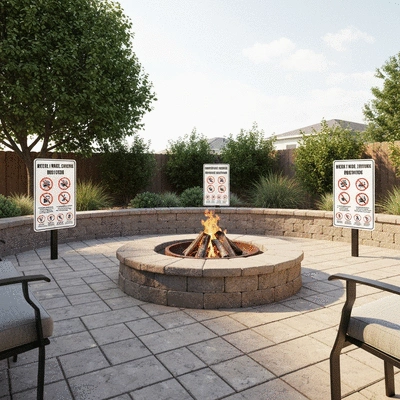
They often restrict wood-burning options due to safety and smoke concerns.
Placement regulations might dictate minimum distances from structures and property lines.
By being aware of these regulations, you can enjoy your outdoor space while maintaining a harmonious relationship with your neighbors and the community.
Significance of Safety Compliance in Fire Features
Following HOA regulations for fire safety is crucial in residential areas. Non-compliance can lead to safety hazards, not only for your property but also for your neighbors. Imagine hosting a cozy evening around a fire pit, only to worry about potential fines or worse—safety concerns! Adhering to regulations ensures that your fire features are safe and enjoyable for everyone.
Moreover, HOA compliance fosters a sense of community responsibility, where everyone plays a part in maintaining safety standards. This not only protects property values but also enhances the overall living experience within the community.
Key Safety Guidelines for Fire Pits in HOA Communities
Permissible Types of Fire Pits: Gas vs. Wood
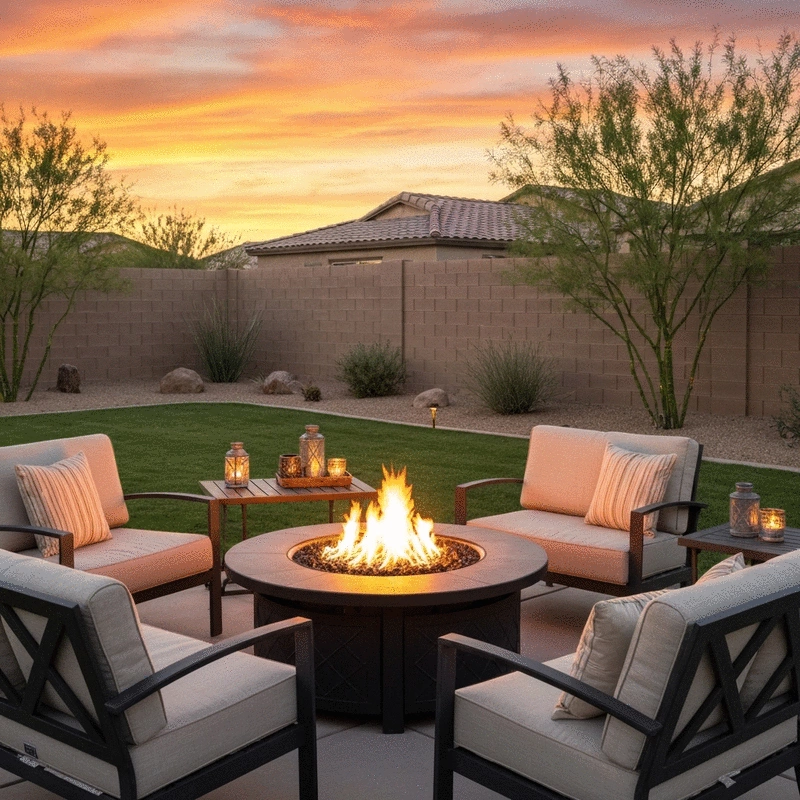
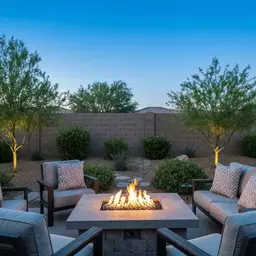
When it comes to fire pits in Queen Creek, most HOAs have clear restrictions on the types of fire pits allowed. Generally, gas-powered options, such as propane and natural gas fire pits, are encouraged. In contrast, wood-burning fire pits are often prohibited to mitigate risks associated with smoke and open flames. This is especially important in our desert climate, where dry conditions can elevate fire risks!
Gas fire pits typically require less maintenance and are easier to control.
They provide consistent heat without the smoke associated with wood-burning fires.
Always check your HOA's specific guidelines on the type of gas fire pit allowed.
Choosing the right fire pit not only complies with regulations but also enhances your outdoor experience without compromising safety. To explore various options, consider different fire pit designs for Arizona backyards.
Placement and Monitoring Rules for Fire Pits
The placement of fire pits is another critical factor governed by HOA regulations. Most communities require that fire pits be set a certain distance away from structures and flammable materials. This distance helps prevent potential hazards and ensures that your fire feature is safely integrated into your outdoor space.
Common distance requirements range from 10 to 20 feet from any structure.
Regular monitoring of the fire pit during use is often mandated.
Ensure that you have a fire extinguisher or water source nearby for emergencies.
By following these placement and monitoring rules, you can enjoy your fire pit while prioritizing safety for yourself and your neighbors.
Fire Pit Design Standards and Materials
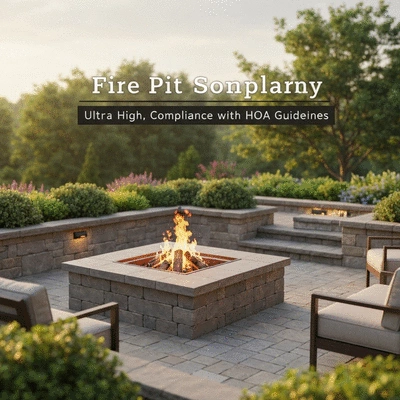
Design standards and acceptable materials for fire pits are typically outlined in HOA regulations. Homeowners should ensure their fire pits are made from materials that can withstand the Arizona climate while aligning with aesthetic standards. Using durable, non-combustible materials like stone or metal can enhance both safety and appearance!
Stone and brick are popular choices for durability and heat resistance.
Metal fire pits should be rust-resistant to ensure longevity.
HOAs may require specific finishes or colors to match community aesthetics.
By selecting compliant materials and designs, you can create a fire pit that not only serves its purpose but also complements your outdoor living space beautifully.
Pro Tip
When selecting a fire pit for your outdoor space, consider opting for a gas fire pit instead of a wood-burning one. Gas fire pits not only comply with most HOA regulations but also offer ease of use, safety, and lower maintenance. Plus, they enhance your outdoor experience without the smoke and cleanup associated with wood fires!
Frequently Asked Questions about HOA Fire Feature Regulations
Q1: What types of fire pits are generally allowed by HOAs in Queen Creek?
Most HOAs in Queen Creek encourage gas-powered fire pits (propane or natural gas) due to their safety, ease of control, and reduced smoke. Wood-burning fire pits are often restricted or prohibited because of fire risks, especially in the desert climate, and smoke concerns.
Q2: What are the typical placement rules for fire pits in HOA communities?
HOAs usually require fire pits to be placed a specific distance from structures and flammable materials. This distance commonly ranges from 10 to 20 feet. It is also often mandated that fire pits are regularly monitored during use, with a fire extinguisher or water source kept nearby.
Q3: What materials are recommended for fire pits to ensure HOA compliance?
Durable, non-combustible materials like stone, brick, or rust-resistant metal are generally recommended. These materials withstand the Arizona climate and align with aesthetic standards. Some HOAs may also have specific requirements for finishes or colors to match community aesthetics.
Q4: Why is knowing HOA regulations important for outdoor living?
Understanding HOA regulations is crucial for compliance, preventing fines, and ensuring the safety of your property and community. It also helps in maintaining community aesthetics and property values, fostering a harmonious living environment.
Q5: How can I find out my specific HOA's fire feature regulations?
You should review your HOA's governing documents, which typically outline specific rules regarding fire pits and fireplaces. If you have any uncertainties, contact your HOA directly for clarification.
Consolidating Information for Community Benefit
As an outdoor living expert, I've seen firsthand the importance of having clear communication regarding fire safety regulations in our communities. A centralized directory of HOA fire rules can be incredibly beneficial for residents in Queen Creek. This directory would not only provide easy access to fire regulations but also help ensure that everyone is on the same page regarding safety and compliance.
Imagine a resource where homeowners can quickly find information about permissible fire features, seasonal restrictions, and monitoring expectations. Such a directory fosters a sense of community, allowing residents to engage in safe practices while enjoying their outdoor spaces.
Creating a Queen Creek HOA Directory with Fire Regulations
A dedicated directory can offer numerous advantages:
Easy access to regulations: Homeowners can quickly review their HOA’s specific rules regarding fire pits and fireplaces.
Standardized information: Consistency across communities ensures that all residents are informed of the same guidelines, reducing confusion.
Emergency planning: A clear understanding of regulations helps residents prepare for potential fire emergencies by knowing what to expect.
By creating this centralized resource, we can enhance community awareness and compliance, ensuring safety for everyone while enjoying the beautiful Arizona evenings around a fire feature.
Collaborative Resources for Homeowners and HOAs
Encouraging collaboration between homeowners and HOAs can significantly improve our community's fire safety practices. Community forums and user-generated content platforms can serve as excellent venues for sharing updates, best practices, and personal experiences related to fire features. Consider how this collaboration also applies to understanding patio permits and HOAs.
Online forums: These can be spaces where residents ask questions and share tips about fire safety and compliance.
Social media groups: Homeowners can post updates on local safety regulations and share personal stories of success or challenges.
Workshops: Organizing events that educate residents on fire safety and compliance can lead to greater awareness and adherence to HOA rules.
By utilizing these collaborative resources, we can create a knowledgeable community that values fire safety and adheres to HOA regulations.
Taking Action: Engaging with Your HOA
It's essential for homeowners to take proactive steps to ensure compliance with fire safety regulations set by their HOA. Engaging with your HOA not only helps you stay informed but also strengthens community relationships around fire safety.
Steps to Ensure Compliance with HOA Fire Regulations
Here are some practical steps homeowners can take:
Review your HOA’s rules: Familiarize yourself with the fire regulations specific to your community.
Document your fire features: Keep records of your installations, including permits and compliance checks.
Communicate with neighbors: Share information on fire safety practices and encourage others to adhere to regulations.
Following these steps not only ensures your compliance but also contributes to the overall safety of your neighborhood.
Contacting Your HOA for Clarifications and Reporting Issues
If you're ever uncertain about a regulation or need assistance, don’t hesitate to reach out to your HOA. They are there to help!
Ask questions: Whether it’s about fire pit placements or materials allowed, your HOA can provide clarity.
Report concerns: If you notice non-compliance in your community, inform your HOA so they can address it.
Request updates: Stay informed by asking for regular updates on any changes to fire safety regulations.
Open lines of communication with your HOA can help clear up any confusion and keep everyone safe while enjoying their outdoor living spaces.
Building Positive Neighbor Relations Through Fire Safety Awareness
Lastly, let’s not forget the importance of fostering positive relationships with our neighbors regarding fire safety. Open communication about fire features can dispel misunderstandings and promote safety. For more insights on outdoor living, consider exploring Queen Creek outdoor kitchen trends.
Host community gatherings: Create opportunities for neighbors to discuss fire safety and share their experiences.
Share safety tips: Provide helpful information about fire pit usage, compliance, and maintenance.
Encourage support: Work together as a community to create a safe environment for everyone.
As we focus on fire safety awareness, we not only protect our homes but also strengthen our community ties. Together, we can enjoy the beauty of outdoor living while ensuring safety and compliance in Queen Creek!
Recap of Key Points
Here is a quick recap of the important points discussed in the article:
Understand your HOA's regulations regarding fire pits and fireplaces to avoid fines and enhance your outdoor space.
Gas fire pits are typically preferred over wood-burning options due to safety and smoke concerns.
Placement rules often require fire pits to be set a certain distance from structures to minimize hazards.
Utilize durable, non-combustible materials like stone or metal for fire pit designs to ensure safety and compliance.
Engage with your HOA for clarifications and to stay informed about any changes in fire safety regulations.
Foster positive neighbor relations by sharing fire safety tips and hosting community discussions.
Nathaniel Prescott
Nathaniel Prescott is an outdoor living expert with years of experience in designing and building premium alfresco spaces. Based in Queen Creek, AZ, he is passionate about transforming backyards into functional and beautiful outdoor living areas that cater to the unique needs of homeowners in the Arizona desert climate.
Common DIY Pergola Mistakes
Have you ever found yourself overwhelmed by the prospect of a DIY project, only to realize later tha
Welcome to Queen Creek Alfresco Living
Queen Creek Alfresco Living is dedicated to transforming your outdoor spaces into beautiful and functional alfresco areas that enhance your lifestyle. Our mission is to provide expert insights and tailored designs that cater to the unique needs of homeowners in the Arizona desert, ensuring your outdoor living experience is both stunning and sustainable.
Start your outdoor living journey by envisioning your ideal space. What does your dream patio or kitchen look like? Knowing your goals shapes your design!
Don't overlook the importance of durable materials. In the Arizona heat, choosing heat-resistant surfaces ensures your outdoor kitchen remains stunning for years!
Integrate shade structures to enhance comfort. They not only provide relief from the sun but also add aesthetic value to your outdoor space.
Consider the flow of your outdoor area. A well-thought-out layout makes your alfresco space more inviting and functional for gatherings.
Invest in energy-efficient lighting. Proper illumination enhances the ambiance and extends your outdoor enjoyment into the evening.
Incorporate natural elements like plants and water features. They bring life to your outdoor space and create a serene atmosphere.
Plan for seasonal changes. Designing with the Arizona climate in mind ensures your outdoor space is usable throughout the year.
Focus on creating focal points. Whether it’s a fire feature or a stunning outdoor kitchen, these elements draw attention and enhance your space.
Engage with local professionals. Their experience with Queen Creek’s unique requirements can elevate your project.
Prioritize sustainability in your designs. Eco-friendly choices not only benefit the environment but also enhance the durability of your outdoor spaces.
Regular maintenance is key. Keeping your outdoor living area in top shape ensures it remains a source of joy for years to come.
Don’t forget to personalize! Infuse your outdoor space with your unique style to create an inviting atmosphere.
Reach out for a consultation today! Let’s craft the perfect outdoor oasis tailored just for you.